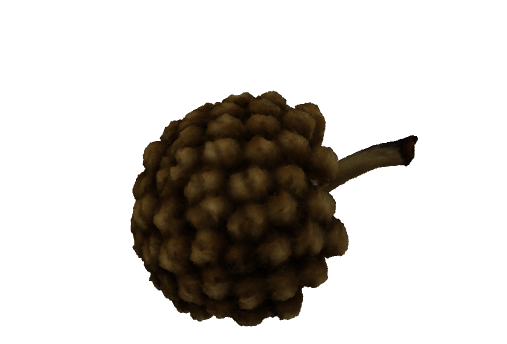
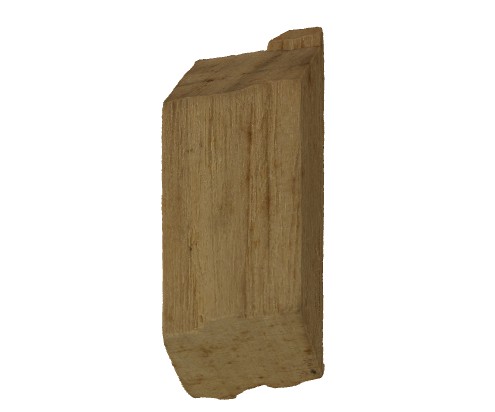
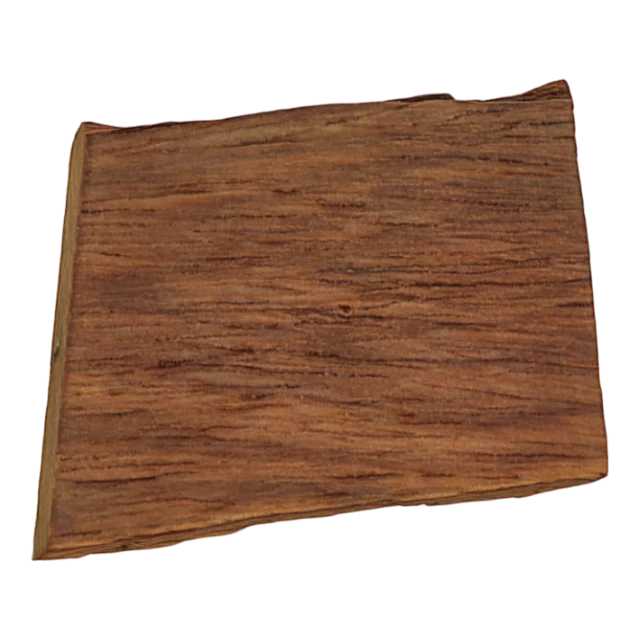
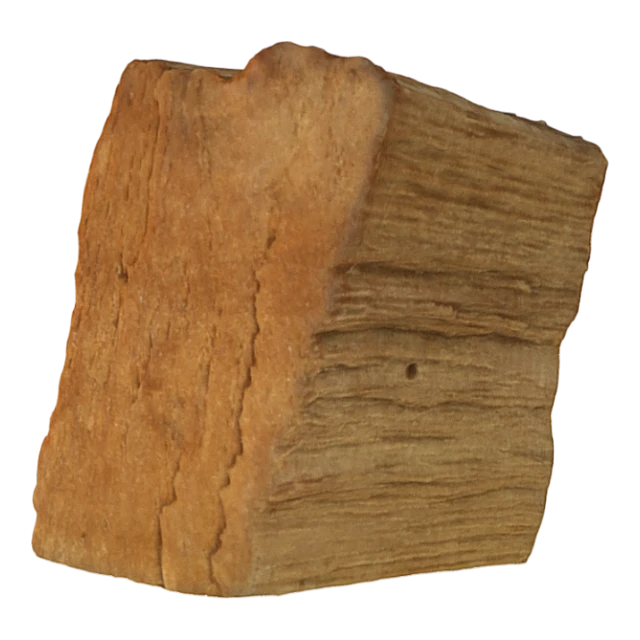
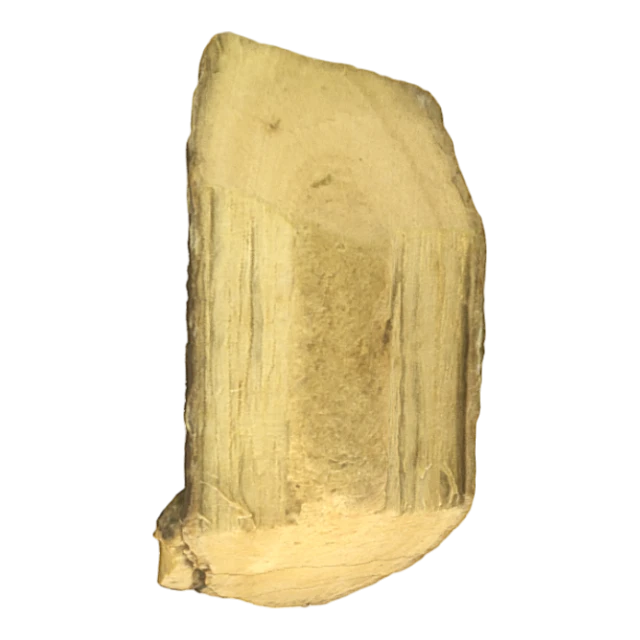
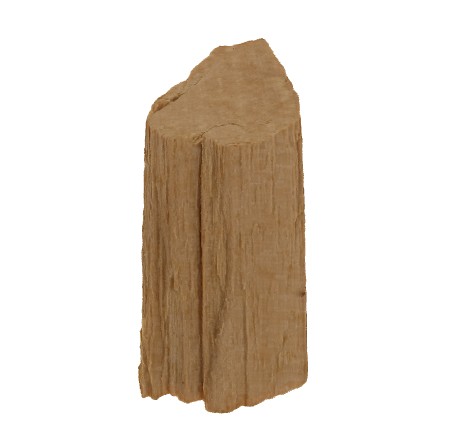
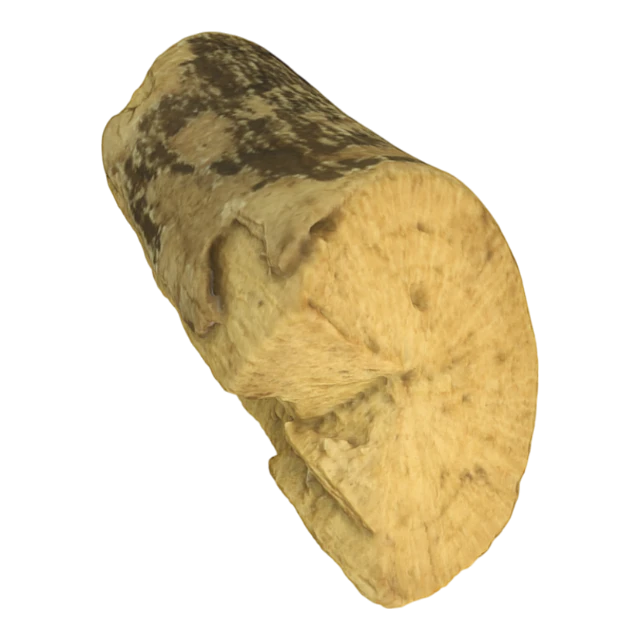
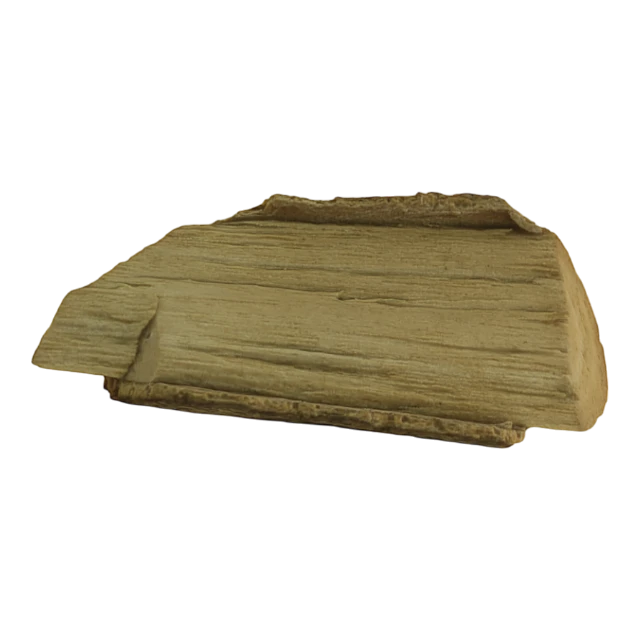
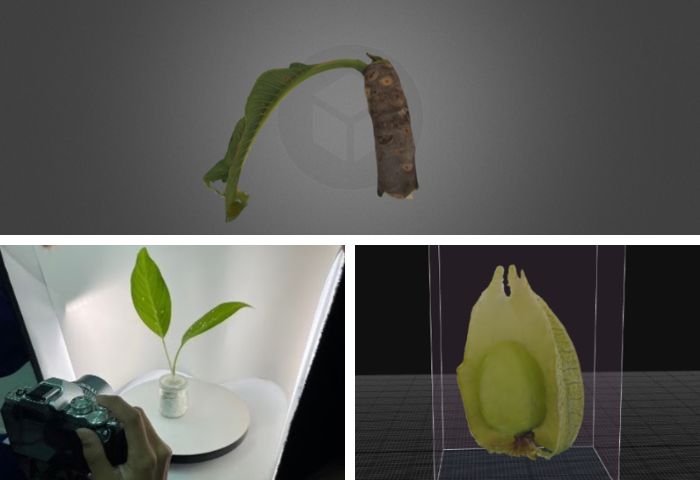
This innovative 3D digital modeling of medicinal plants enables accurate identification of botanical characteristics. The system promotes interactive learning, supports research, and helps preserve traditional knowledge of Thai traditional medicine.
3D Virtual Thai Traditional Medical Herbal Database
The Three-Dimensional Virtual Botanical Museum of Thai Traditional Medicine is a digital repository that collects high-resolution 3D models of important medicinal plants used in Thai traditional medicine. Using photogrammetry techniques, the models accurately preserve the unique characteristics of each plant species.
Users can freely interact with the plant models by rotating, zooming, and examining detailed structures such as roots, stems, leaves, and flowers. This allows for precise and realistic study of botanical characteristics, making the system well suited for research, education, and the preservation of traditional knowledge.
In addition, creating 3D models through photogrammetry with compact, low-cost cameras enables the cost-effective and accessible production of high-quality models. As a result, this virtual botanical museum serves as a valuable open resource for researchers, students, and the general public interested in Thai medicinal plants.
USER GUIDE Virtual 3D Model viewer
How to Access and Use the 3D Models
All 3D models on this website are streamed from a server. When opening a tab for a specific poisonous plant, loading may take approximately 5–10 seconds.
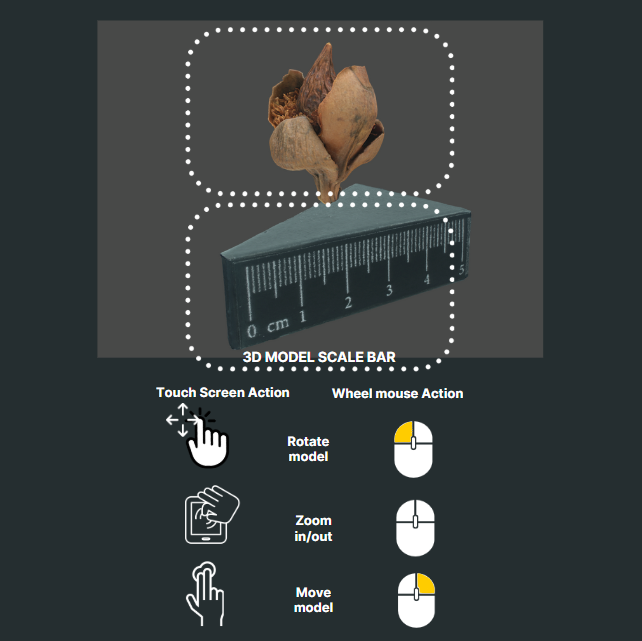
The system is accessible on mobile phones, tablets, and computers. Users can rotate, zoom in and out, or move the 3D models using their fingers or a mouse, as illustrated in the image on the right.
Each 3D model is displayed together with a scale bar, allowing users to understand the actual size of the poisonous plant being studied.
3D Virtual Thai Traditional Medical Herbal Database
This is a comprehensive and up-to-date digital repository that integrates knowledge of Thai traditional medicine through the interactive three-dimensional presentation of essential materials. The database is divided into three main categories: plants, animals, and minerals, each showcasing materials used in Thai traditional medical formulations in a detailed and realistic manner.
Herbal plants include full-plant models and individual components such as roots, stems, leaves, flowers, fruits, and seeds, allowing users to study the medicinal properties of each species in depth.
Animals are represented through models of animals and relevant anatomical parts used in Thai traditional medicine, such as bones, horns, or internal organs, which play important roles in traditional medicinal formulas.
Minerals encompass naturally occurring substances such as soil, rocks, and various minerals that possess medicinal value and are used in therapeutic practices within Thai traditional medicine.
All 3D models are created using photogrammetry techniques, which involve capturing images of objects from multiple angles and processing them into high-resolution 3D models. This approach accurately captures the complex details of each material. Users can freely rotate, zoom, and explore the models, providing an experience comparable to examining real objects firsthand.